
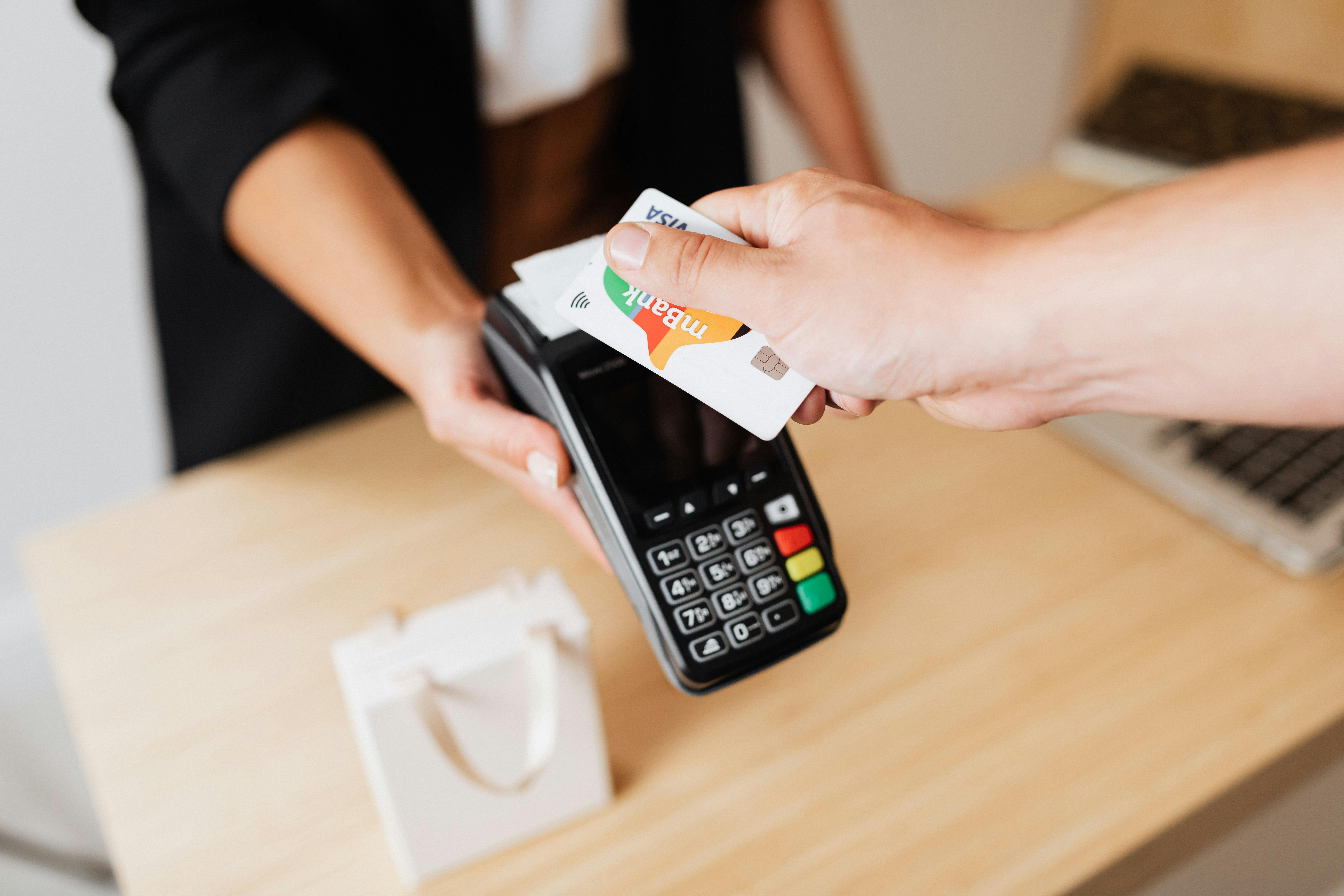
A loyalty program is a structured way to reward customers for repeat purchases.
The idea behind every loyalty program is simple: the more a customer shops with you, the more value they receive in return. That value can come in the form of points, discounts, store credit, free items, or exclusive perks.
One of the earliest large-scale loyalty programs dates back to 1896, when S&H Green Stamps were introduced in the United States. Retailers gave customers stamps based on how much they spent, and those stamps could later be redeemed for household goods from a catalog.
The gist of it remains the same to this day, and here’s how it applies in liquor retail:
The Basics of Loyalty Programs for Liquor Stores
In liquor retail, loyalty programs usually (but not always) revolve around spending. A customer earns something based on how much they spend, and once they reach a threshold, they receive a reward.
Here’s an example:
- Earn 1 point for every $1 spent
- Redeem 500 points for $5 off
In that setup, a customer who spends $500 earns a $5 reward. From the customer’s perspective, purchases are “adding up.”, while from the store’s perspective, the reward cost is predictable and modest.
The exact structure of a loyalty program is less important than how clearly it is communicated.
Customers should not have to think or ask questions to understand how it works. They should immediately know how they earn rewards, what those rewards are worth, and when they can use them.
In other words, if the program requires explanation every time, it is too complicated.
Why Loyalty Programs Matter More for Independent Liquor Stores
Loyal Customers Visit More Often
Because even a modest reward can influence behavior, customers are more likely to stop by “their” store for a midweek bottle or an unplanned purchase when they know it moves them closer to a reward.
This increases visit frequency without needing constant discounts or advertising spend.
Customers Will Also Spend More Per Visit
Loyalty programs often increase average basket size because they give customers a clear reason to spend a little more each time they shop.
When a customer is close to earning a reward, they start thinking in terms of “how do I get this reward faster?” rather than “what is the cheapest thing I can buy today?” That mindset shift encourages them to add an extra bottle, try a new brand, or pick a premium option they might otherwise skip.
Research shows that loyalty program members spend 12–18% more annually than non-members, which means stores earn more from the same customers over time.
Retention Is More Profitable Than Acquisition
Bringing in new customers almost always costs more than keeping the ones you already have.
New shoppers need to be convinced to walk through the door, compare prices, and trust your store enough to make a purchase, and that usually requires advertising, promotions, or discounts, all of which eat into margins before you see any long-term return.
Repeat customers already know your location, your staff, and the kind of selection you carry, so they walk into the store with intent rather than hesitation. Because they trust your store, they are more willing to try new products, and less likely to shop purely on price.
Loyalty programs reinforce this behavior by giving customers a concrete reason to keep choosing your store instead of drifting between options.
Loyalty Programs Create Customer Insight
Each time a customer shops using a loyalty program, you learn something about how they buy.
You start to see clear differences in behavior, such as:
- Customers who buy wine every week
- Customers who shop less often but spend more when they do
- Customers who mainly buy craft beer versus those who focus on spirits.
- Customers who respond to discounts versus those who consistently buy at full price.
This information gives you a clearer picture of what actually moves in your store and who it moves with, which in turn makes it easier to run promotions that align with real buying behavior.
Common Loyalty Program Structures That Work
Now that we’ve covered why loyalty programs work, let’s talk about how you can structure your own. Below are the most common loyalty program formats used by independent liquor retailers:
Points-Based Rewards
This is the most straightforward model which we’ve covered in the first section of the article. It works because it is easy to explain and easy to scale, while also allowing flexibility.
Once the core rules are in place, the same structure also gives you room to layer in short-term incentives, such as bonus points on specific days or categories, without changing how the program works at its foundation.
Spend-and-Get Rewards
Some stores frame rewards as spend thresholds.
For example:
- Spend $100, get $5 off
- Spend $250, get $15 off
This structure feels concrete to customers who may not like thinking in points. It also makes reward value immediately obvious.
Visit-Based Rewards
This model flips the logic of spend-and-get rewards. It focuses on encouraging customers to return more often, regardless of how much they spend on each visit, rather than pushing higher spend in a single transaction.
For example, you can reward a customer with store credit after a set number of visits, or offer a free bottle after they’ve purchased a certain number of bottles.
The value accumulates through consistency rather than higher-priced purchases.
Tiered Loyalty Programs
Tiered programs build on the basic loyalty structures above by adding progression. While points-based and spend-and-get programs reward everyone the same way, tiered programs recognize that not all customers contribute equally over time.
Instead of offering a single set of rewards, you group customers into levels based on how much or how often they shop with you. Entry-level members earn standard rewards, while higher-tier customers receive added benefits, such as faster point accumulation or exclusive pricing.
This approach works best when you already have a base of regular customers and want to give your top spenders a reason to consolidate more of their purchases with your store. It introduces a sense of status and progression that simple earn-and-redeem programs do not, but it also requires clearer rules and more consistent tracking to avoid confusion.
Addressing the Common Concerns
While the data clearly shows that loyalty programs work, some liquor store owners are still hesitant to implement them. The hesitation is understandable, but when you look at the long-term impact on repeat business and customer value, not having a loyalty program often costs more than running one.
Here are the most common concerns, along with some important context that often gets overlooked.
“I Can’t Afford to Give Discounts”
A loyalty program is often mistaken for blanket discounting, but that is not how effective programs work. You control exactly how generous the rewards are, and in most successful liquor stores, rewards account for roughly 1–2 percent of total sales.
That cost is typically recovered through more frequent visits and slightly larger baskets over time. Just as importantly, rewards are only earned after customers spend money with you.
You are not giving anything away upfront or discounting hypothetical purchases. You are rewarding real, completed transactions that already contribute to revenue.
“It Sounds Complicated to Manage”
When loyalty programs feel complicated, the issue is usually not the concept itself, but how it is implemented. With the right setup, loyalty should be embedded into the checkout process so it runs in the background rather than adding another task for you or your team.
“My Staff Is Already Busy”
Staff workload is a legitimate concern, because loyalty programs only work if they do not slow the line or complicate checkout. The most effective programs are customer-led and take only a few seconds to engage with.
Staff involvement should be limited to a brief mention, while the system itself handles enrollment, tracking, and rewards automatically.
How Santé POS Helps You Run Loyalty the Right Way
Running a loyalty program effectively requires a system that connects purchases, customer profiles, and rewards without adding operational overhead.
Santé POS was built specifically for independent liquor stores and includes loyalty functionality designed to support the exact strategies outlined in this article.
With Santé POS, each purchase is tied to a customer profile, which means you are not just tracking points, but actually seeing how people shop over time. You can tell what they buy, how often they come in, and how their habits change, all without pulling reports from multiple tools.
The same loyalty logic applies whether someone shops in your store or online. Customers earn and redeem rewards across both channels, so there is no disconnect between in-store behavior and online activity, and no confusion about where points “count.”
Because purchase history lives in one place, promotions can be based on what customers actually buy, and not broad assumptions. Instead of sending the same discount to everyone, you can run offers that make sense for specific groups of customers.
Most importantly, none of this requires manual tracking. Points, rewards, and redemptions are handled automatically, which reduces errors, keeps checkout moving, and removes yet another task from your staff’s plate.
Santé POS is designed to support retention, personalization, and repeat business without complicating day-to-day operations.
If you want to see how loyalty programs can actually drive growth for your store, you can schedule a demo and see how Santé POS supports loyalty, marketing, and customer engagement in one unified system.
Santé replaces legacy server-based POS with a single platform for POS, eCommerce, payments, and an AI suite that automates back-office work.