How Liquor Stores Can Keep Up with the Latest Alcohol Beverage Trends In 2026
If you're looking to stay ahead of the curve in the world of beer, wine, and spirits, you're in the right place. The U.S. market is buzzing with new alcohol consumption trends that can open up real opportunities for your store.
Keeping your shelves relevant in 2026 means understanding what your customers actually buy today and adjusting your product mix to follow those habits.
Despite the fact that the alcohol industry is still dominated by long-standing brands and classic categories, younger drinkers are bringing in new preferences and products like canned cocktails, agave spirits, and non-alcoholic beers and spirits.
Below, we break down the latest trends in beer, wine, and spirits, explain what’s changed from years past, and give practical tips on how to make your inventory relevant in 2026.
Embrace Quality Over Quantity (Premiumization)
One of the biggest trends in alcohol consumption over the last couple of years is that people tend to drink a bit less, but they want what they drink to be better.
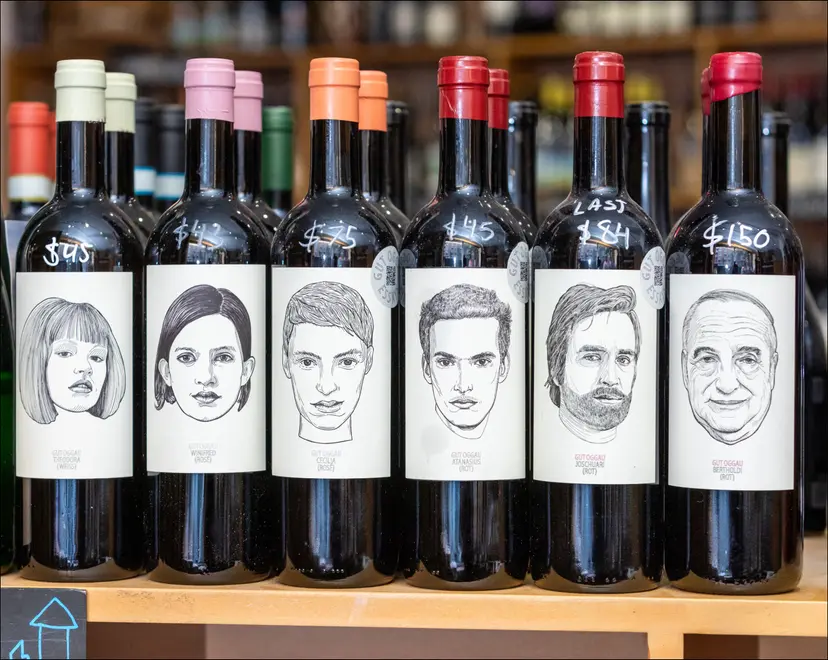
The only real question is what “premium category” really means and whether it is focused on $20-50 bottles that feel like a smart upgrade over cheaper alternatives or on two-hundred-dollar bottles that look impressive but move slowly.
As it turns out, “premium” today mostly means good value in the mid-range.
The strongest demand is in the $20–$50 “affordable luxury” zone, where a customer feels like they are trading up without overspending.
In the 20 to 50 dollar range, you will usually see strong interest in:
- 100 percent agave blanco tequila (25 to 40 dollars)
- Entry-level mezcal (35 to 50 dollars)
- Mid-priced vodka or gin (20 to 35 dollars)
- Bourbon that works for both sipping and cocktails (30 to 45 dollars)
- Non alcoholic spirit or aperitif for mocktails (25 to 35 dollars)
Ultra-expensive bottles have cooled off a bit, and some older “boom” categories like bourbon and cognac are no longer carrying growth the way they did a few years ago. They still have a place on your shelves as gift bottles and special-occasion buys, but you are better off with a small selection.
It's a good practice to connect these higher-priced bottles with a simple story on the shelf, for example, noting the distillery, key ingredients, or the wine’s vineyard and vintage, so customers see why they cost more and feel confident trading up.
Gen Z Is Drinking More Than the Headlines Suggest
For years, the assumption was that Gen Z was quietly opting out of alcohol altogether. The latest data tells a different story.
Recent IWSR survey data shows that 74% of Gen Z drinkers of legal age are now drinking alcohol, up sharply from where the generation stood just a few years ago. Some reports put that number as high as 76% in 2026, prompting analysts to push back hard on the "sober generation" label.
That said, they're not drinking the way older generations do. The average number of drinks per occasion has actually dropped, suggesting more people are participating, but in smaller amounts. NIQ data also shows Gen Z still makes up a modest share of off-premise alcohol purchases, so this is a growing segment, not yet a dominant one.
What they do buy leans heavily toward RTDs, low- and no-alcohol options, and value-driven bottles in the $20–$50 range.
{{DEMO_CTA="/components"}}
Make Room for Ready-to-Drink Convenience (RTD Cocktails)
Speaking of RTDs, ready-to-drink beverages are taking the market by storm. The RTD segment is benefiting from the premiumization trend (spirits-based RTD cocktails grew 16.4% in 2025 to reach $3.8 billion in sales, according to DISCUS, and notably, that growth happened even as overall U.S. spirits sales fell 2.2% in 2025), making RTDs one of the few bright spots in the category.
Consumers are drawn to the convenience and quality of these products, making them a must-have in your store.
This is a stark change from a decade ago, when canned cocktails were nearly unheard of and "hard seltzer" wasn't even a category. Now, huge beverage brands (and even nostalgic soft-drink companies) are jumping in with collaborations and new products, from hard lemonades to espresso martinis in a can.
The global RTD cocktail market is now valued at over $37 billion in 2026 and is projected to exceed $60 billion within the next decade. Such growth is nearly impossible to ignore on your shelves.
What this means for your store:
- Create a clear RTD section, ideally in the cooler, so people can grab and go
- Start with well-known brands and core flavors like margarita, vodka soda, and rum and cola
- Add a few local or "craft" canned cocktails for shoppers who like to try new things
- Rotate seasonal flavors: light and fruity in summer, spiced or cranberry in fall and winter
- Use simple shelf tags that show the base spirit, flavor, and strength so choosing feels convenient
For instance, if a local brewery releases a canned margarita or a popular whiskey brand partners with a cola company for a canned highball, promote it with in-store signage or sampling.
The convenience trend in alcohol consumption isn't going anywhere, and RTDs combine quality with zero prep time, which is precisely what today's busy (and experiment-hungry) consumers are looking for. Make your store the place they can find the newest flavors on the go.
Stock Health-Conscious Alternatives (Non-Alcoholic & Low-ABV Options)
Another big change in consumer behavior is the rise of health-conscious drinking. The "sober-curious" movement has more people opting for non-alcoholic or low-alcohol beverages at least some of the time.
In addition, more and more customers want to cut back on alcohol without stopping completely. They might drink normally some nights and choose non alcoholic or low alcohol options on others.
Non-alcohol beer, wine, and spirits passed $1 billion in off-premise sales in 2025, growing 22% year-over-year according to NIQ, significantly outpacing the low-alcohol segment, which grew by 7%. Non-alcoholic spirits, in particular, were the fastest-growing piece of that category, up 70% between 2024 and 2025.
Analysts expect this momentum to continue with roughly 17% annual growth through 2028.
What this means for your store:
- Create a clear, visible section for non alcoholic and low alcohol drinks
- Stock the basics: a few good non alcoholic beers, one or two non alcoholic wines, and one or two non alcoholic spirits for mocktails
- Add some low alcohol options like session IPAs, wine spritzers, or hard kombucha
- Put simple signs on the shelf that explain what each product is best for (straight, mixed, party friendly, weeknight option)
It's also very important to educate your staff about these offerings, because customers often have questions when it comes to non-alcoholic drinks (e.g., "Does this spirit alternative actually taste like gin?"). Let shoppers know that these aren't "just soda" – many use botanicals and craft brewing techniques to create an adult flavor profile.
These healthy drink trends are here to stay, driven by younger generations' interest in wellness, so by embracing them, you signal that your store is modern and customer-focused.
Plus, you'll make additional sales – for instance, a group throwing a party might buy regular beer and some NA beer to accommodate all guests. Providing choices for the health-conscious or sober-curious encourages those customers to keep coming back even when they do want the hard stuff.
Ride the Agave Wave (Tequila and Mezcal Are Booming)
When it comes to hard liquor, tequila and mezcal (agave-based spirits) have been on fire in the U.S. market. This represents a noteworthy change from previous decades, when vodka and whiskey reigned supreme.
In previous decades, vodka and whiskey reigned supreme, but today, Americans' appetite for Mexican agave spirits remains strong. In 2023, tequila overtook whiskey to become the second-most-consumed spirit by value in the U.S., and in 2024, tequila even outsold vodka in American bars.
That's right – vodka, long the top seller, was unseated by tequila's surging popularity. Industry surveys back this up, with over half of bars polled saying tequila outperformed all other liquors in the past year, and about 64% of bars plan to allocate more shelf space to tequila and other agave spirits going forward. In 2024 alone, the U.S. sold 32.2 million 9-liter cases of tequila and mezcal, according to DISCUS.
Mezcal, tequila's smokier cousin, has also grown quickly, which shows agave spirits have gone mainstream and then some. They are now a staple for many American drinkers.
What this means for your store:
- Give tequila and mezcal a clear, easy-to-find section
- Cover the basics: at least one mixing tequila, plus a few 100 percent agave blancos, reposados, and añejos in the 20 to 50 dollar range
- Add one or two mezcals with different flavor profiles, for customers who want to try something smokier or more complex
- If you carry any very high-end agave bottles, keep the selection tight and treat them as gift and special occasion items
- Use simple shelf tags to explain what each bottle is best for, for example "great for margaritas" or "best for sipping."
Given the premiumization trend we discussed, premium tequilas are a particularly hot segment, so highlight those in your displays. You can use signage like "New & Notable: Mezcal from Oaxaca" or shelf talkers to explain what mezcal is for customers who are just learning about it.
Also, keep an eye on related trends – for instance, other agave-based or agave-adjacent spirits like sotol or raicilla are lesser-known, but a curious connoisseur might appreciate that you carry one.
Watch Niche Trends (and Beware of What’s Fading)
Once you cover the basics, the next step is to spot small trends that can win you a bit of extra business without clogging your shelves.
On the “rising” side, younger shoppers like to hunt for something new or unusual. That can mean:
- Soju
- Heritage bottles like applejack
- Quirky “dare you to try it” liqueurs
- Japanese whisky or a local absinthe
You do not need a big range here. A tiny “world spirits” or “something different” section with a few well-chosen bottles is enough to catch the eye and start conversations.
At the same time, some once-hot categories are cooling. In many stores, big bourbon walls, wide cognac ranges, and a long tail of random craft spirits are not moving as they did a few years ago.
What this means for your store:
- Add a small, clearly marked niche section with three to five interesting bottles and treat them as tests
- Watch your sales reports and cut back SKUs in slower areas like bourbon, cognac, or generic craft spirits
- Keep the key brands and products that still sell well, but trim the rest
- Use the freed up space and budget for proven growth areas such as tequila, RTDs, or non alcoholic options
The goal is to have what people want now, not what they wanted five years ago. A well-balanced inventory will have the staples people expect, but also adapt to current tastes.
Stay Agile and Informed to Anticipate Trends
Trends come and go. What sells this year might slow down in a year or two. The stores that win are the ones that notice changes early and adjust quickly.
A good POS system is your best tool here. It shows you what is really leaving the shelves and what is just taking up space.
Here is how Santé – a liquor-specific POS – can help you stay on top of alcohol industry trends:
- All your data in one place
Santé gives you clear sales reports by brand, category, and price point, so you can see what is moving and what is slowing down without digging through spreadsheets. - Track new products easily
When you add a new tequila, RTD, or non alcoholic drink, you see exactly how fast it sells in your Santé dashboard. If it takes off, you give it more space. If it sits, you stop reordering. - Simple promo tools
You can set discounts, mix and match deals, and case pricing in Santé, then see right away which promos actually boost sales. That makes it easy to test trends without guessing. - Stronger online presence
Santé connects your in-store inventory to your website and delivery apps, so shoppers can see that you carry the latest RTDs, agave spirits, or NA options before they ever walk in. - Marketing that highlights sought-after products
With Santé’s integrations, you can push featured items and best sellers to online channels and product feeds, making it clear to local customers that your store has the bottles everyone is looking for.
Finally, remember that trends are an add-on, not a replacement. You still need core beers, popular wines, and everyday spirits that regulars expect. The goal is to keep those basics in place, then use your POS and customer feedback to layer in the right new products so your store stays current and profitable.
Your submission has been received!