Do You Need a Liquor License To Sell Beer?
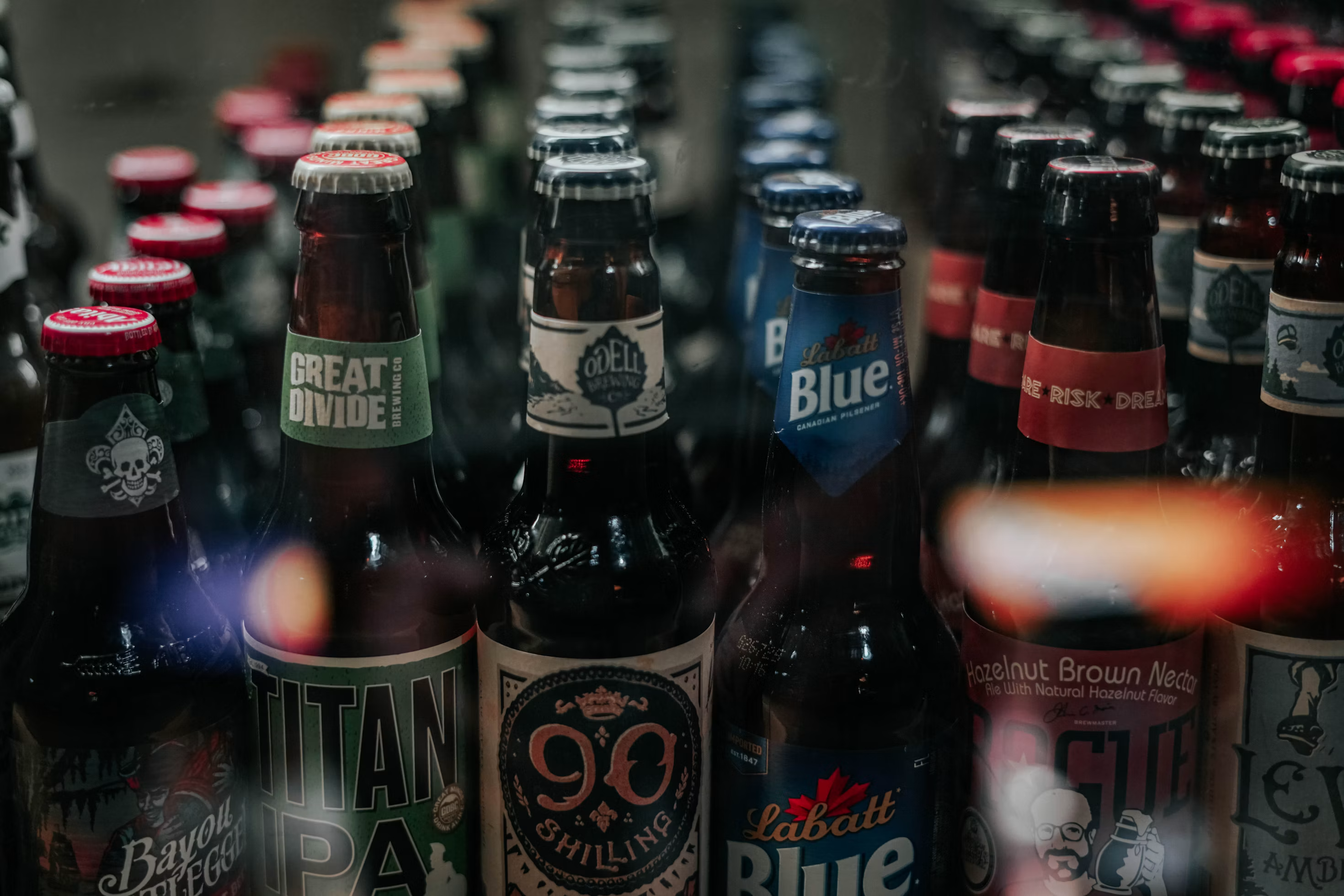
Every U.S. state requires a license or permit to sell beer, and selling without one is illegal. The catch is that the license you need may not be a full “liquor license.” Whether it is depends on how your state defines liquor and which products you plan to sell.
At the federal level, the Internal Revenue Code (26 U.S.C. § 5052) defines beer as beer, ale, porter, stout, and similar fermented beverages brewed or produced from malt (or a substitute) that contain one-half of 1 percent or more alcohol by volume.
State laws use their own vocabulary. Texas, for example, regulates beer as a “malt beverage” and issues separate permits for malt beverages, wine, and liquor through the Texas Alcoholic Beverage Commission (TABC).
Because of this, the license that lets you sell beer can go by many names: a beer license, a malt beverage license, a beer and wine license, an off-sale license, or a package store permit.
Many states offer beer-only or beer-and-wine licenses that cost less and are easier to obtain than licenses covering spirits. California is a good example: its off-sale beer and wine license costs about half as much per year as the off-sale general license that covers spirits.
The state license is also only one piece. To sell beer legally, you’ll typically need three things:
- A state license or permit that specifically authorizes beer sales for off-premises consumption.
- Federal registration with the Alcohol and Tobacco Tax and Trade Bureau (TTB), which is a registration, not a license (more on this below)
- Local approval, including confirmation that beer sales are legal where your store is located.
Beer-Only vs. Full Liquor Licenses
For a liquor store, the state license usually comes down to two options:
- A beer-only or beer-and-wine off-premises license. This is cheaper and is the standard license for convenience stores, grocery stores, and craft beer shops.
- A full off-premises license that covers spirits. This is usually more expensive and often limited by a population quota. In most states, it also covers beer and wine.
Here’s how beer and full liquor licenses compare in four of the largest states:
Do You Need a Federal License To Sell Beer?
No, as the federal government doesn’t issue licenses to beer retailers. However, every store that sells beer must register with the Alcohol and Tobacco Tax and Trade Bureau (TTB) before it starts selling. You do this by filing TTB Form 5630.5d, which you can submit online, and you file a separate registration for each store location.
The TTB also requires you to keep records of all the beer you receive, showing what was delivered, who supplied it, and when. Your supplier invoices are enough to meet this requirement.
States That Limit Where Beer Can Be Sold
In a handful of states, the question is not only which lic1ense you need, but whether a private store can sell certain beer at all. Some of these, like Utah and Pennsylvania, are ABC states, where the state itself controls the retail sale of spirits.
What Happens If You Sell Beer Without a License?
Selling beer without a license is illegal in every state. Penalties vary, but they commonly include fines, seizure of your inventory, and criminal charges, and a violation can make it much harder to get a license later.
In Texas, for example, selling alcohol in a dry area is a Class B misdemeanor. Selling outside your license’s privileges, such as selling spirits on a beer-and-wine license, can also lead to suspension or revocation.
Selling Beer at Your Liquor Store? Run It on a POS Built for It
If you’re opening a liquor store, you’ll also need a POS system to run it.
Santé is a POS built specifically for liquor stores. It combines checkout, inventory, eCommerce, delivery, and marketing in one platform, and uses AI to handle back-office tasks like entering invoices and reordering stock.
Santé’s features include:
- Flexible case and pack breakdowns: Sell beer and RTDs by the single, pack, or case without creating workarounds in your inventory.
- Automatic bottle and keg deposits: Santé applies deposits based on product eligibility in your state and handles returns right from the register.
- AI-powered receiving: Scan your distributor invoices, and Santé’s AI enters it for you, which can save you up to 20 hours a week. You also end up with a clean digital record of every delivery, which makes it easier to keep the receiving records the TTB requires.
- Smart reordering: An AI ordering agent analyzes your budget, distributor deals, and shopper trends, so you know which beers to restock and which to cut.
- Online sales and delivery: Launch a store website, offer local delivery, and take orders from apps like DoorDash and Uber Eats, all synced to the same inventory.
The licensing rules you just read determine what you’re allowed to sell. Santé helps you sell it profitably from day one. Book a free demo to see how it works for your store.
Frequently Asked Questions
Is a beer license cheaper than a full liquor license?
Usually, yes. In California, the 2026 annual fee is $500 for an Off-Sale Beer and Wine (Type 20) license versus $1,009 for an Off-Sale General (Type 21) license. The bigger gap in liquor license costs appears in quota states, where full licenses often have to be bought from existing holders on the private market.
Does a full liquor license let you sell beer too?
In most states, yes. California's Type 21 covers beer, wine, and spirits, and Texas's Package Store Permit covers liquor and malt beverages. New York is a major exception: its Liquor Store License does not allow beer sales.
Do you need a license to sell non-alcoholic beer?
Generally, products under 0.5% ABV are not regulated as beer. The federal definition of beer covers beverages with 0.5% ABV or more, and Texas, for example, defines an alcoholic beverage as one with more than 0.5% ABV. Some states and local governments still regulate how these products are sold or marketed, so confirm your state's rules.
Can a grocery or convenience store sell beer?
In most states, yes, with an off-premises beer or beer-and-wine license. Some states cap the strength: Utah limits grocery and convenience stores to beer of 5% ABV or less, and Minnesota generally limits them to 3.2% beer.
Can you buy an existing liquor license instead of applying for a new one?
In many states, yes. Transfers of an existing license to a new owner or location are common in quota states like California and Florida, but they still require approval from the state agency and sometimes local officials. Some states restrict transfers; Texas, for instance, does not allow a package store permit to be transferred to a different county.
How long does a beer license last?
It depends on the state. California renews retail licenses annually, while Texas issues retail permits on a two-year cycle. Keeping track of renewal dates is a key part of liquor store compliance, since a lapsed license means you can’t legally sell.
Your submission has been received!